
Last updated October 16, 2026
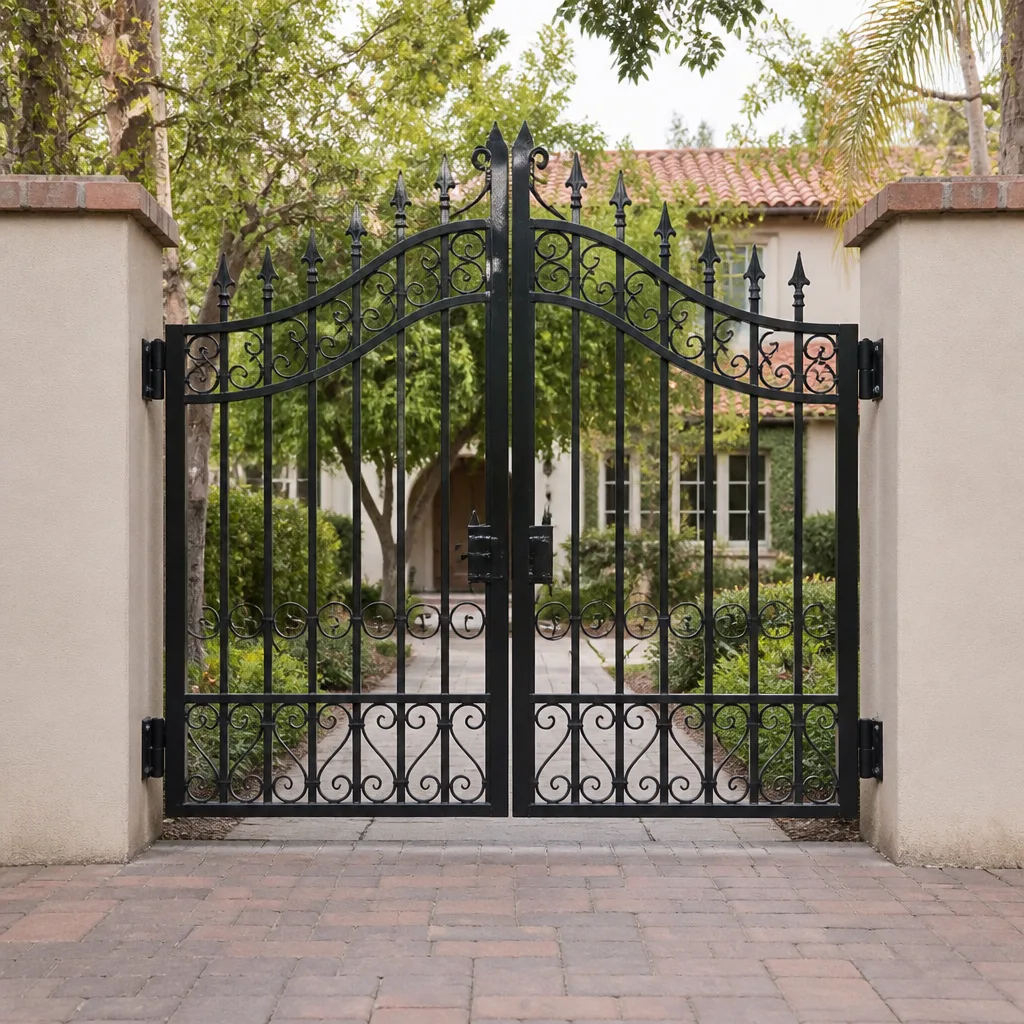 Wrought iron
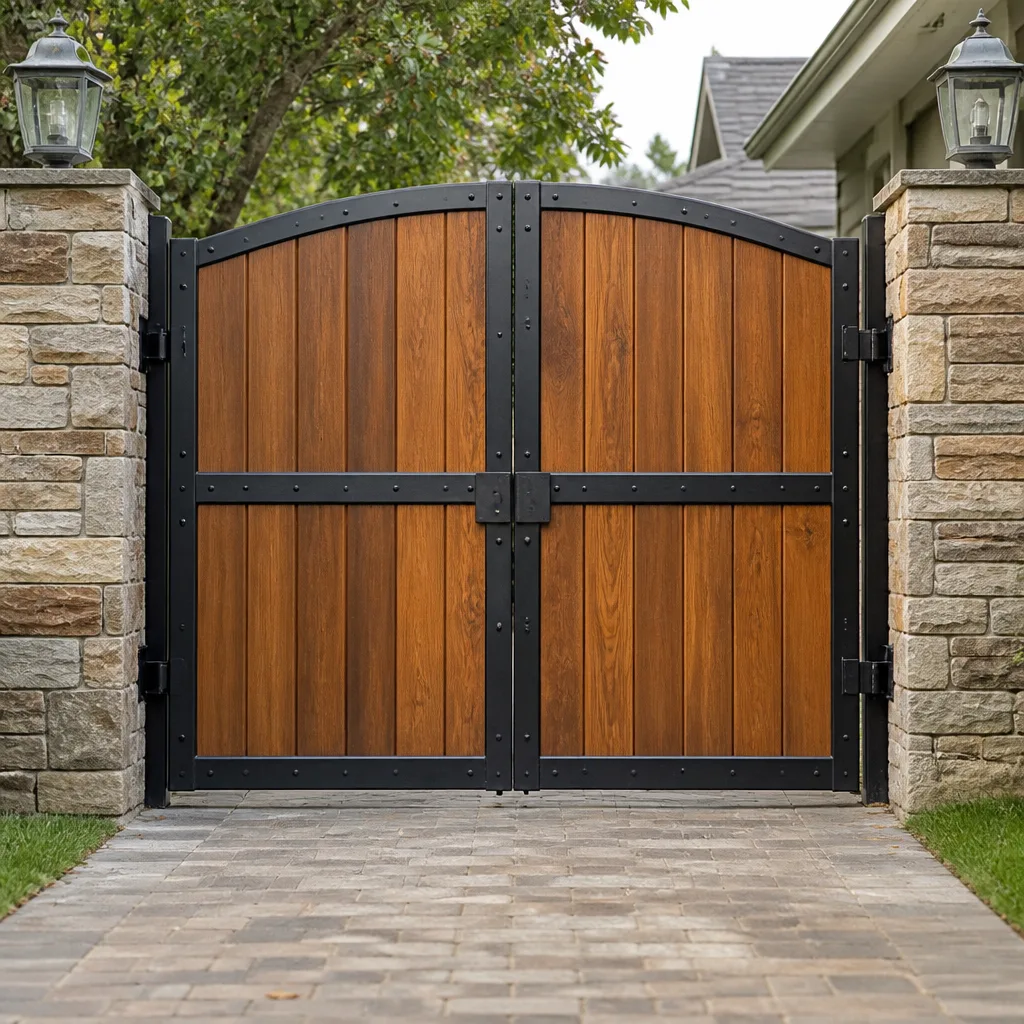 Wood & steel frame
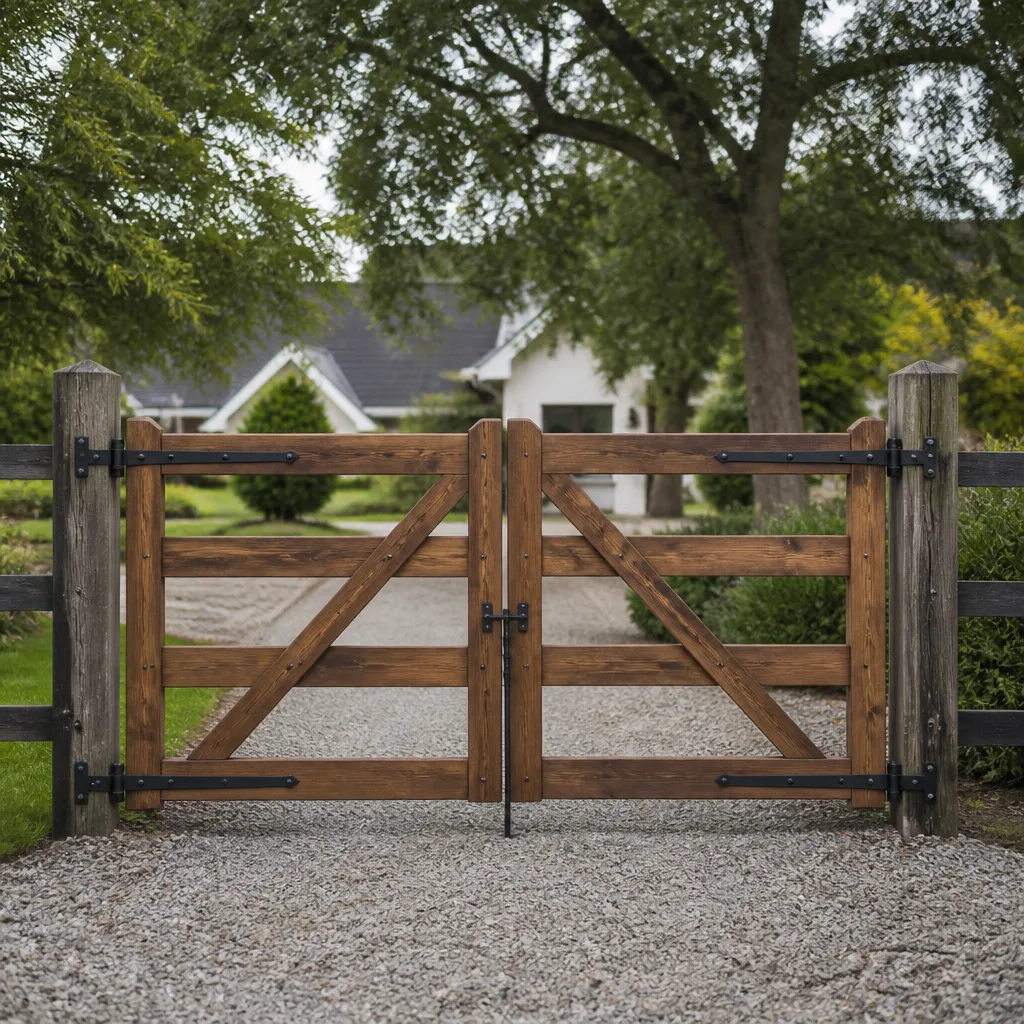 Farm & ranch
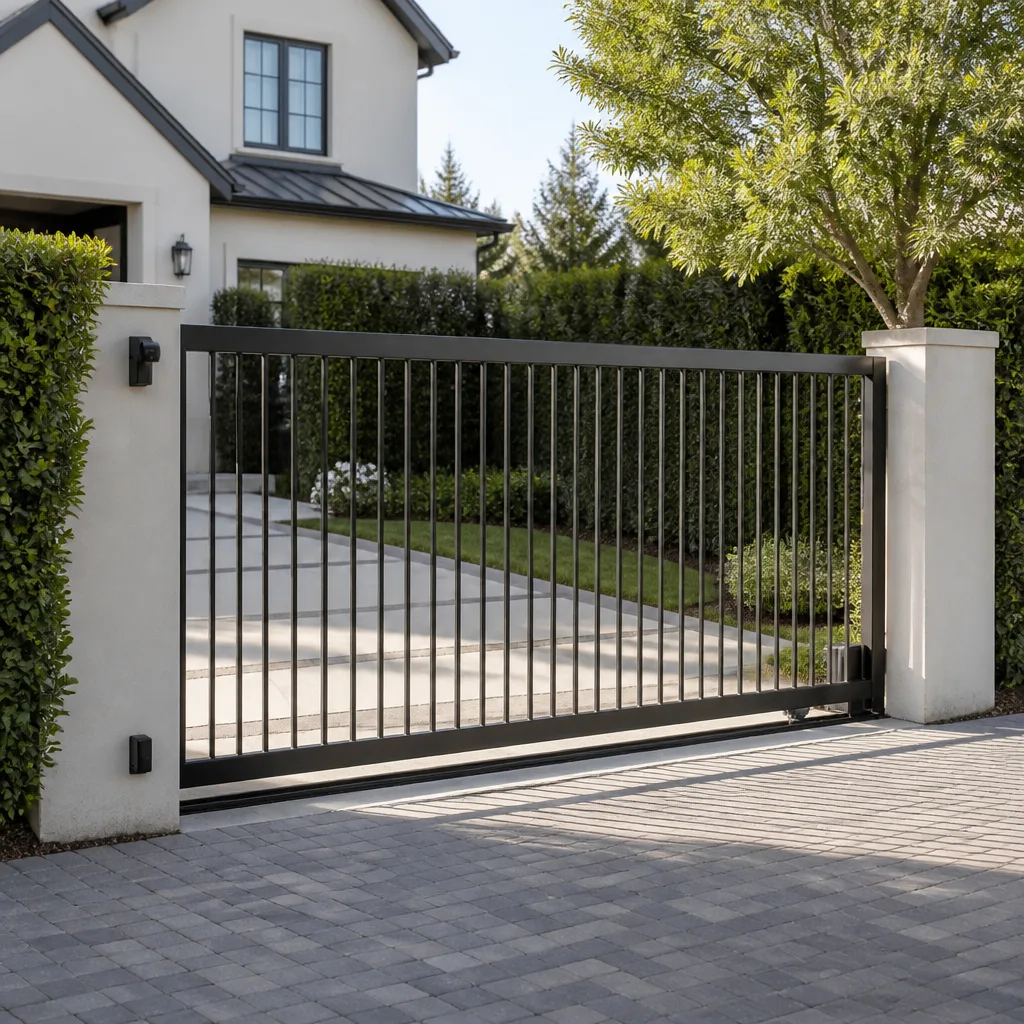 Sliding driveway gates
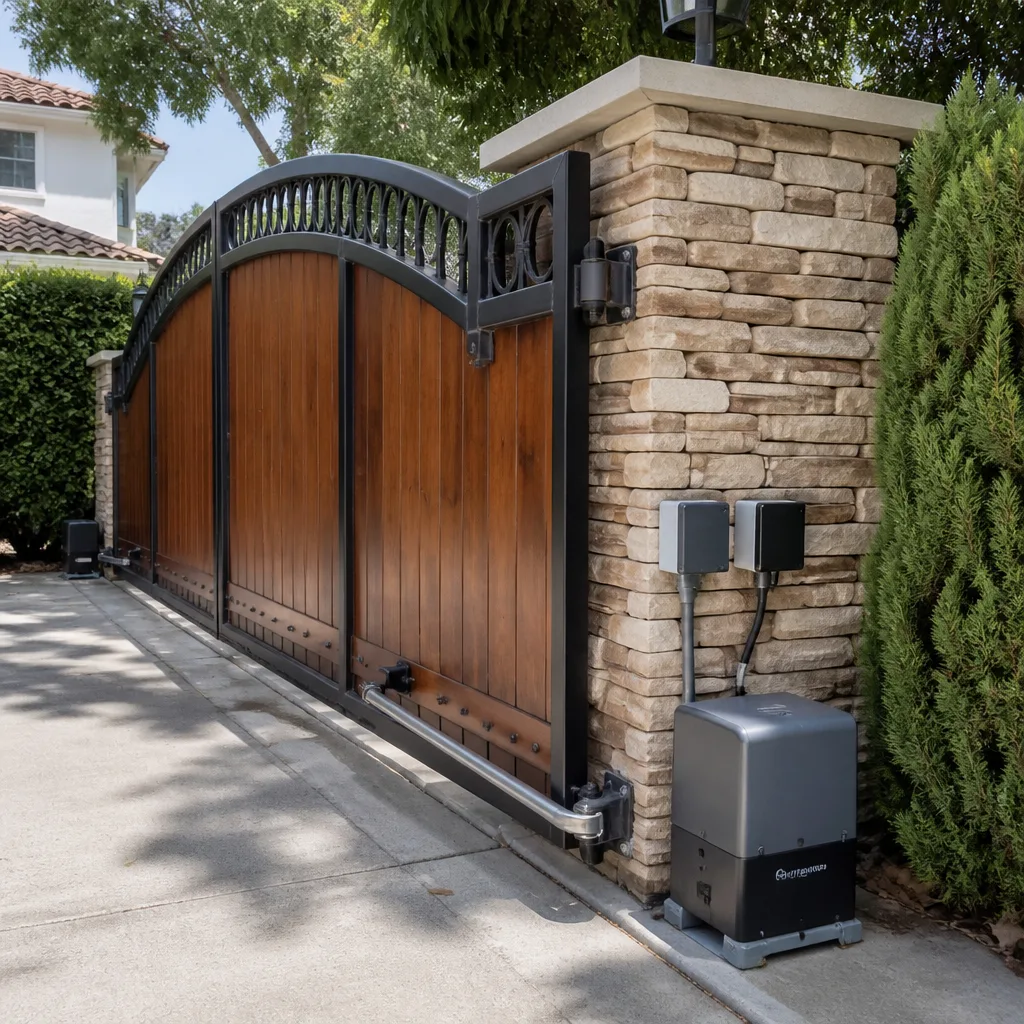 LiftMaster operators
Free on-site gate assessment - hinges, posts, and your LiftMaster or Nice gate operator checked before anything is quoted
The assessment is free and the quote is the invoice.
Get your free estimateThe Complete Guide to Gate Repair in Los Angeles
Here’s a number most Los Angeles homeowners never hear: the same gate repair, diagnosed the same day, can draw quotes from $95 to $640 depending on which company you call. That spread isn’t about dishonest contractors. It’s about information asymmetry. One tech sees a bad capacitor and charges $95. Another sees “control board replacement” and charges five times more for a part that didn’t need replacing. This guide exists to close that gap. We’ll map the actual repair landscape in Los Angeles by gate type, opener brand, and the specific ways our climate kills gate hardware, so you know the right questions before anyone touches your property.
Styles & brands we work with
Quick Answer
Gate repair in Los Angeles typically costs $150 to $450 for common fixes like opener malfunctions, sensor misalignment, and hinge wear, while full gate rebuilds or control board replacements run $600 to $1,400. The single most important factor in your final bill is knowing which opener brand you own and whether the repair is brand-specific or universal. A live person answers our phone 24/7 at (213) 322-1415 if you want a straight answer on cost before scheduling.
Table of Contents
- Gate Types in Los Angeles and How They Fail Differently
- The Nine Gate Opener Brands: What’s Brand-Specific, What’s Universal
- How LA Microclimates Age Gate Hardware Differently
- Reading Your Gate’s Error Codes Before You Call Anyone
- Gate Adjustment vs. Gate Rebuild: The $450 Difference
- What Gate Repair Actually Costs in Los Angeles
- What the Relay Visibility Guarantee Means in Practice
- Common Mistakes to Avoid
- When to Call a Professional
- Frequently Asked Questions
- The Bottom Line
Gate Types in Los Angeles and How They Fail Differently
Los Angeles has three dominant gate styles: swing gates, slide gates, and vertical-lift gates. Each fails in predictable ways, and knowing which one you have tells you roughly what the repair conversation will look like.
Swing gates are the most common residential style in LA, especially in neighborhoods like Hancock Park, Los Feliz, and parts of the San Fernando Valley. They pivot on hinges and are opened by an arm or ram that pushes and pulls. Swing gate failures cluster around hinge wear, the opener arm brackets, and the limit switches that tell the gate where to stop. A gate that swings too far and strains against the hinge is usually a limit switch problem. A gate that hesitates or shudders at the start is often a capacitor or motor issue.
Slide gates dominate commercial properties and some modern homes with long driveways, particularly in areas like Bel Air, Brentwood, and industrial corridors along Alameda. They roll on a steel track and are driven by a gear-and-chain system. Slide gate failures concentrate in three places: the chain tension, the drive gear teeth, and the rollers or wheels in the track. Dirt and debris are the silent killer. Slide gate tracks in Los Angeles collect palm fronds and dust constantly, and a gritty track wears the rollers fast.
Vertical-lift gates are rarer, mostly found in parking garages and a few high-end hillside properties. They fail at the spring assembly and the cable drum, and those are genuinely dangerous components. If you own one, don’t try to inspect the springs yourself. Call a Gate Repair in Los Angeles specialist who handles counterweight and spring systems.
The Nine Gate Opener Brands: What’s Brand-Specific, What’s Universal
Here’s the truth every Los Angeles homeowner should hear before they call for our Gate Repair services: about 60% of gate opener failures are universal. A bad capacitor, a worn relay, a corroded wire nut, a misaligned photo-eye. Those parts are interchangeable across brands and cheap to source. The other 40% are brand-specific: control boards, limit switch assemblies, wireless receiver modules, and gear kits that only fit one manufacturer’s equipment. Knowing which brand you own changes how much the repair should cost and who can actually fix it correctly.
Calder Gate Repair trains technicians on nine major brands: LiftMaster, FAAC, BFT, Linear, Viking, Ghost Controls, DoorKing, Elite, and Mighty Mule. Here’s what actually matters about each:
LiftMaster is the most common residential brand in Los Angeles. Their LA400 and newer models have self-diagnostic error codes that flash on the control board, and their parts are widely available, which keeps repair costs moderate. The most frequent LiftMaster failure we see is the limit switch, the small sensor that tells the gate when to stop traveling. A gate that slams open or closed and then reverses is typically a limit switch issue.
FAAC openers are popular on heavier swing gates and some apartment buildings. They use hydraulic rams on many models, which means leaky seals and low fluid become repair issues that don’t exist on mechanical arms. A FAAC gate that struggles to move in cold weather is often low hydraulic pressure.
Mighty Mule openers are the DIY-pleasant brand sold at home centers, and they’re common on first-generation automatic gates in Los Angeles. They’re reliable for their price point, but-as our DIY vs Professional Gate Repair: The Los Angeles Homeowner’s Decision Guide notes-their control boards are sensitive to power surges. A Mighty Mule that works after a storm but not before one often has a fried board from a subpanel surge.
Elite and DoorKing dominate commercial and multi-family gates in Los Angeles. These are workhorse openers designed for thousands of cycles per day. Their failures tend to be mechanical rather than electronic: worn drive gears, stretched chains, and contactor wear. Parts are more expensive but well documented.
Viking, BFT, Linear, and Ghost Controls each have their own quirks. Viking and BFT are strong on slide gates but their wireless receiver boards are often proprietary. Linear and Ghost Controls share similar design DNA to Mighty Mule, and their failures cluster around battery backup systems and remotes losing pairing after power outages.
The practical takeaway: before you call anyone, find the manufacturer label on your opener, usually on the inside of the control housing. Write down the model number. You now know more than most callers do, and you’ll get more accurate phone quotes. For electric gate issues specifically, our Electric Gate Repair in Los Angeles page covers motor and wiring diagnostics in detail.
How LA Microclimates Age Gate Hardware Differently
Los Angeles is not one climate. It’s a patchwork, and your gate feels it differently depending on where you live.
Coastal zones (Venice, Marina Del Rey, Playa del Rey, San Pedro): Salt air corrodes everything. We see gate hinges rusted through in five years, control board contacts with green oxidation, and wire terminals so degraded they crumble on touch. The fix for coastal properties is proactive: dielectric grease on connections, stainless-steel hardware on hinges and brackets, and control boards housed in weatherproof enclosures with desiccant packs. If your gate creaks near the coast, it’s not the hinge pin. It’s rust inside the hinge barrel, and it needs replacement, not lubrication.
Valley zones (Encino, Sherman Oaks, Northridge, Woodland Hills): Heat stress is the theme. Summer surface temperatures on metal gates exceed 140 degrees. Control boards degrade faster under that heat, capacitors swell and pop, and solder joints develop hairline cracks. A gate opener that works at 8 a.m. and dies at 3 p.m. is often a thermal failure on the control board.
Hillside zones (Silver Lake, Echo Park, Mount Washington, Hollywood Hills): Gravity is the enemy. Gates on inclines fight gravity every cycle, which means the motor works harder, gears wear faster, and the limit switches drift more often. Hillside gate openers need more frequent gear inspections, and the photo-eye alignment gets bumped more easily by soil movement.
We tell every customer to store this mental model: coastal = corrosion, valley = heat, hills = stress. When you call a gate company in Los Angeles and mention your neighborhood, an experienced tech already knows what to expect before they arrive.
Reading Your Gate’s Error Codes Before You Call Anyone
Most modern gate openers self-diagnose. They flash a number or a pattern of blinking lights on the control board after a failure. That code is your negotiating advantage. Here’s how to use it.
- Find the control board. It’s usually inside the opener housing behind a cover. If the gate responds at all, look for an LED display or a blinking light pattern.
- Note the code. Write down the number or count the blinks. A steady pattern is a code. Random blinking usually means power interruption.
- Look up the meaning. LiftMaster and Elite publish code tables in their manuals and online. A “31” on a LiftMaster is not the same as a “31” on an Elite.
- Call with the code. When you tell a gate repair company “I have a LiftMaster LA400 with a code 34,” you’ve just told them you’re not an easy upsell. Their quote will reflect it.
Common Los Angeles code patterns we see: obstruction codes on swing gates from parked cars and lawn equipment; timer codes on older Viking models after power blinks; and force-reversal codes on hillside gates that are just working too hard. If your gate opener is a brand we service, Gate Opener Repair in Los Angeles covers diagnostic code reading for all nine brands.
Gate Adjustment vs. Gate Rebuild: The $450 Difference
This is the single most important distinction in Los Angeles gate repair, and it’s where uninformed homeowners get overcharged every day. An adjustment is a fix that requires no parts or minimal parts and takes under an hour. A rebuild is substantial hardware replacement: new hinges, new gear kits, new roller assemblies, or structural welding.
Adjustments (typically $90 to $150):
- Limit switch reset so the gate stops in the right position
- Chain tension adjustment on a slide gate
- Photo-eye realignment after a bump or soil shift
- Force sensitivity recalibration on a swing gate
- Remote reprogramming after a power surge
Rebuilds (typically $600 to $1,400):
- Hinge replacement on a heavy iron swing gate (the hinge is often seized or cracked)
- Drive gear replacement on a slide gate opener
- Roller and truck replacement on a slide gate’s carrier frame
- Control board replacement on a proprietary-brand opener
- Motor replacement when the armature is burned out
The red flags that get an adjustment misrepresented as a rebuild: a tech who quotes a new motor before checking the capacitor, a company that replaces the whole control board instead of testing the relays, and any quote for a full hinge replacement before anyone has removed one hinge pin to look. In our experience across thousands of Los Angeles gates, roughly half of the “rebuild” quotes we see on second opinions are actually adjustment-level repairs. The 365-Day Done Right Promise exists because of this pattern. If the repair fails within 365 days, Calder returns at no charge. No re-diagnosis fee. No parts markup on the second visit.
What Gate Repair Actually Costs in Los Angeles
One of the most common calls we get starts with: “How much should I expect to pay for gate repair in Los Angeles?” A reasonable answer, based on current local market conditions, is that most repairs fall between $150 and $450, with two distinct tails on the curve: a small tail of sub-$150 adjustments and a longer tail of $600+ rebuilds. Here’s how that breaks down by the work category.
| Repair Type | Typical Range in Los Angeles | What You’re Paying For |
|---|---|---|
| Limit switch adjustment | $90 – $150 | Labor and calibration, rarely parts |
| Photo-eye realignment | $75 – $125 | Correction of sensor path |
| Remote reprogramming | $50 – $100 | Reset and re-pairing of transmitter |
| Capacitor replacement | $120 – $180 | Part is $20 – $40; the rest is labor and diagnosis |
| Control board replacement (universal) | $280 – $450 | Board plus wiring verification and test |
| Control board replacement (brand-specific) | $450 – $800 | Proprietary board cost and programming |
| Drive gear replacement (slide gate) | $350 – $600 | Gear set, chain tension, drive alignment |
| Full hinge replacement (iron swing gate) | $600 – $1,000 | New heavy-duty hinges and gate re-hang |
| Gate rebuild (structural) | $1,000 – $1,400 | Welding, frame correction, full hardware set |
A key point the table can’t show: Los Angeles pricing varies by neighborhood and access. A repair in a hillside area where the tech carries a 40-pound tool pack up 30 stairs is going to cost more than a flat-lot repair in the Valley. And the price you are quoted should be a fixed, not an estimate range. Calder Gate Repair gives every customer a written price before any work starts. The number on the invoice is the number agreed to at the door. If a repair requires additional parts, we discuss that before ordering, not after installing. That’s the entire point of the no-hassle upfront pricing, and it’s why the phone line at (213) 322-1415 gets calls from homeowners who have been burned by surprise line items before.
What the Relay Visibility Guarantee Means in Practice
Calder Gate Repair is part of the Relay Home Co. family, established in 2009 and independently owned. What you get from that relationship is The Relay Standard, a set of operational rules that change what it feels like to hire a gate repair company in Los Angeles.
Here’s what happens when you call for a repair:
- A live person answers. Not a voicemail, not a chatbot. 24 hours a day, 7 days a week. You explain the problem. They know enough about gate openers to ask the right follow-up questions.
- You get a live arrival time. A text with the tech’s name, photo, and a trackable arrival window. Not a four-hour block.
- The tech arrives in uniform, background-checked, with the parts truck stocked for the brand you described. They diagnose, explain what they see, and give you a written price before any work starts.
- You approve the price. Work starts. Before-and-after photos document the repair for your records.
- You pay from a digital invoice. The link arrives by text or email. Your receipt is permanent, not a thermal-paper scrap.
If the repair fails within 365 days, Calder returns at no charge. That’s the 365-Day Done Right Promise, and it’s written on every job, not occasional marketing language. No re-diagnosis fee, no parts cost on the revisit. You can read more about how we operate on our Calder Gate Repair Los Angeles home page.
Common Mistakes to Avoid
- Lubricating a rusted hinge. If the hinge barrel is rusted inside, lubricant masks the problem for two weeks, then the gate starts sagging again. Replace the hinge, don’t oil it. This is especially common in coastal Los Angeles neighborhoods like Venice and San Pedro.
- Calling before finding the brand name. Every phone quote is better when you can say “LiftMaster LA400” instead of “the gray box thing.” Spend two minutes at the opener housing before dialing.
- Approving a rebuild quote without a second opinion. Any quote over $600 for a residential gate warrants a second phone call. The distinction between adjustment and rebuild is the most misused pricing lever in this trade.
- Ignoring a slow gate. A gate that starts moving slower than usual is telling you something is wearing: a capacitor, a gear, or a motor bearing. Waiting until it stops completely converts a $150 repair into a $600 one.
- Using a generic handyman for opener work. Gate openers are low-voltage control systems plus mechanical force. A handyman who can fix a fence may not know how to read a Force Error code or calibrate a Photo-Eye on a Viking slide opener. The brand-specific programming alone justifies a specialist.
- Accepting a verbal estimate. In Los Angeles, verbal estimates are legally weak and practically weaker. Get the price in writing, even for small repairs. Written price before work starts is the single best consumer protection you have.
When to Call a Professional
Some gate problems are safe to observe. Others need a trained tech on site immediately. Call a professional when the gate moves erratically under its own power, when the chain or belt is visibly loose or rubbing, when the opener makes grinding or clicking sounds, when the gate reverses for no apparent reason, or when you see exposed or damaged wiring anywhere near the opener. The high-tension components on a slide gate’s counterweight system and a lift gate’s spring assembly can cause serious injury if handled incorrectly, so treat those as write-offs for any DIY attempt. Everything else, you can at least diagnose before calling. Calder Gate Repair Los Angeles offers free estimates in Los Angeles. Call (213) 322-1415 and describe what you’re seeing. We’ll tell you whether it’s likely an adjustment, a rebuild, or something in between, before you commit to anything.
Frequently Asked Questions
Most gate repairs in Los Angeles run $150 to $450, with simple adjustments like limit switch resets and photo-eye realignments falling in the $75 to $150 range, and full rebuilds like hinge replacement or control board swaps running $600 to $1,400. The final number depends on your opener brand, gate type, and whether the failure is electrical or mechanical. Call (213) 322-1415 for a written quote, with no obligation.
In most cases, yes. Calder Gate Repair stocks parts for LiftMaster, FAAC, Viking, DoorKing, Elite, Mighty Mule, and other leading brands on our service vehicles, which means the tech often has what’s needed on a first trip. For rare or proprietary parts that require ordering, we give you a timeline before any invoice is sent. Call (213) 322-1415 and describe the symptom; we’ll tell you whether same-day service is realistic for your opener and neighborhood.
A full opener installation includes the opener unit, mounting hardware, arm or chain assembly, photo-eye safety sensors, wiring connections to power, limit switch calibration, and remote programming. On a new install, we also inspect the gate’s own hardware (hinges, wheels, track condition) because a good opener on a failing gate is a guarantee of future trouble. Free measure and written price are part of every install.
Yes. Calder Gate Repair handles the low-voltage wiring from your power source to the opener, plus installation and testing of safety edges and photo-eye sensors. Many Los Angeles properties have outdated or non-compliant safety edges on older gates, and our inspection flags them before they cause an entrapment incident. Call (213) 322-1415 for a free site walkthrough.
We repair all nine major gate opener brands found in Los Angeles: LiftMaster, FAAC, BFT, Linear, Viking, Ghost Controls, DoorKing, Elite, and Mighty Mule. If your brand is not on that list, describe the symptoms and we’ll tell you honestly whether we can source parts for it. Our tech training is multi-brand so you’re not stuck with a company that only knows one manufacturer.
Yes. Every repair starts with a free on-site diagnosis and a written price before any work begins. The price you approve is the price you pay, with no surprise line items added later. In some cases we can even give you a phone estimate based on your opener brand and symptom description. Call (213) 322-1415 to get both.
The Bottom Line
Gate repair in Los Angeles is a specialty, but it shouldn’t feel like a gamble. Know your gate type, find the brand name on your opener, read the error code, and understand the difference between an adjustment and a rebuild. Those four moves put you ahead of most callers today. When you’re ready to have the work done, pick a company that answers the phone, sends a trackable tech, and puts prices in writing before the first bolt is turned. That’s how Calder Gate Repair Los Angeles operates, and it’s why we back every repair with the 365-Day Done Right Promise. Call (213) 322-1415 any hour.
Written by Nico Alvarez, Owner at Calder Gate Repair Los Angeles, serving Los Angeles since 2009.
See the difference
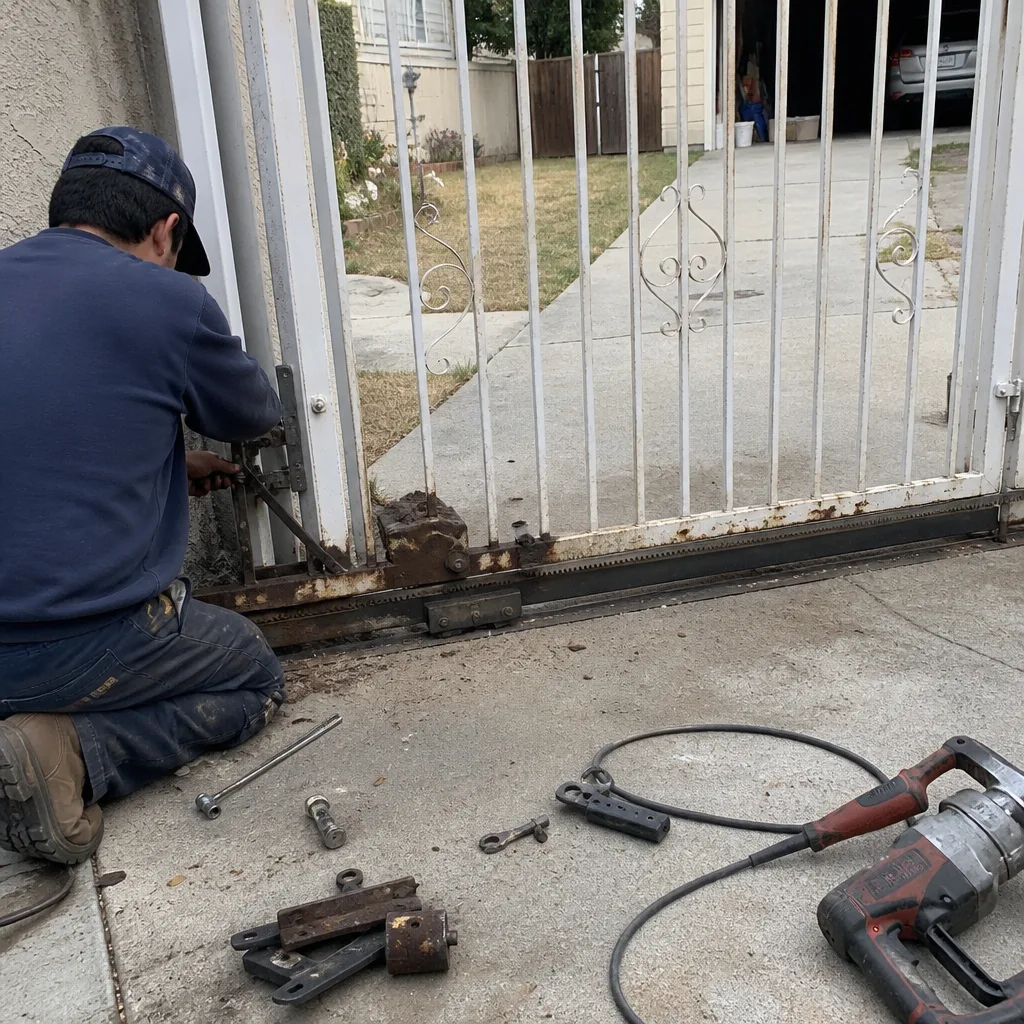 Before
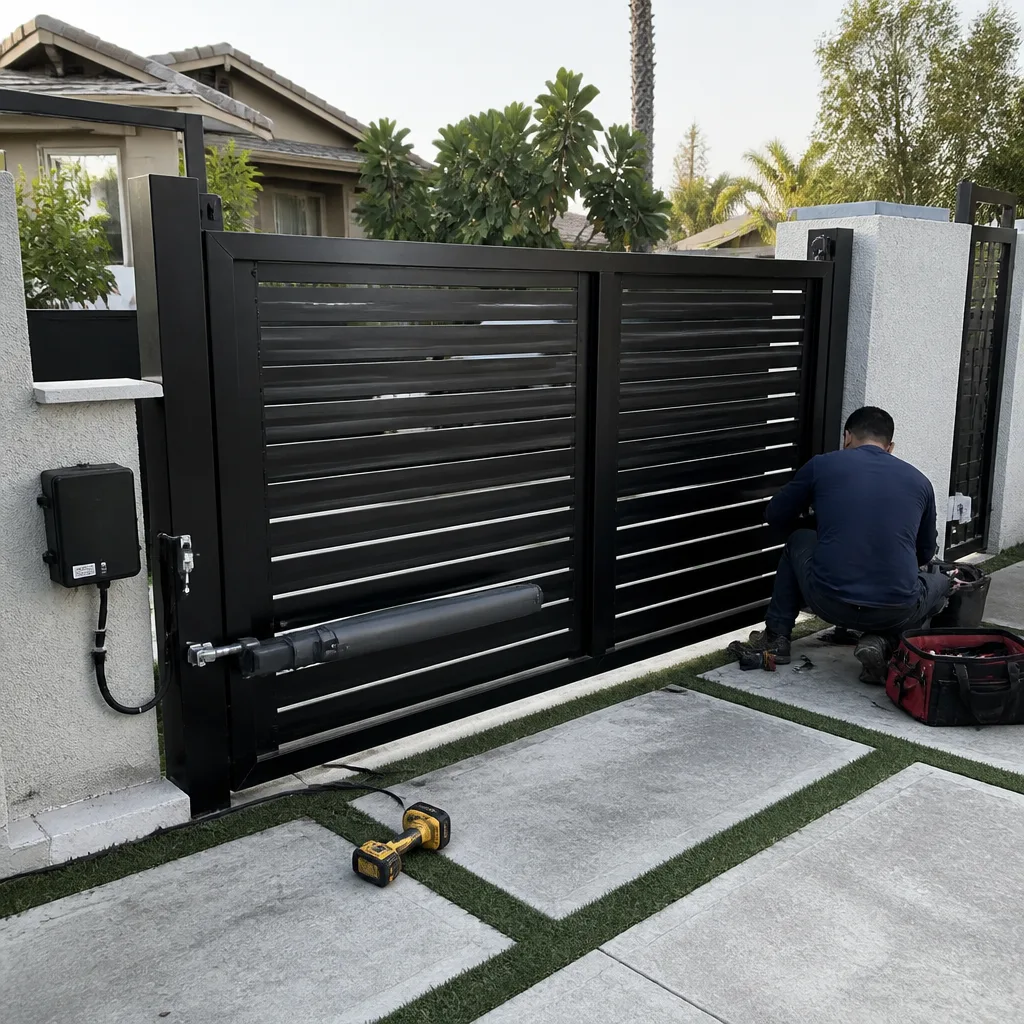 After
After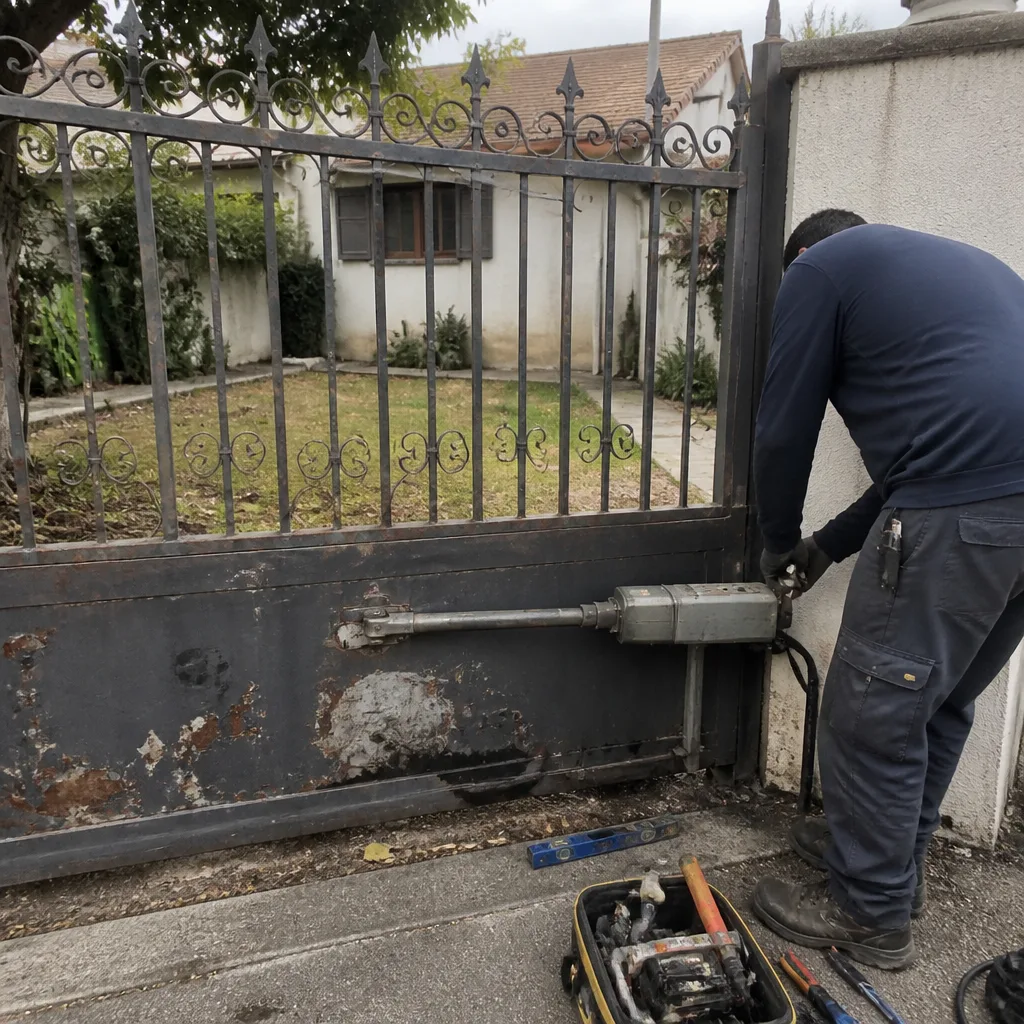 Before
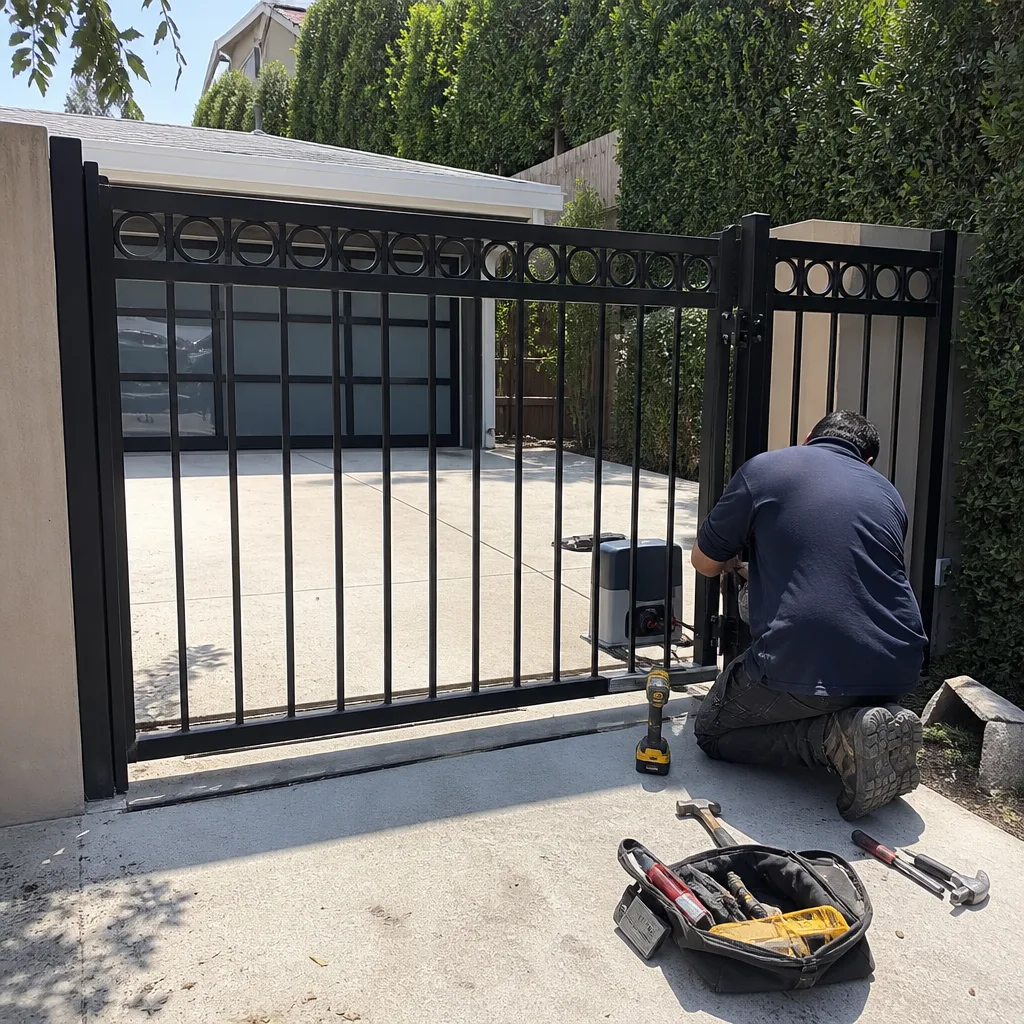 After
After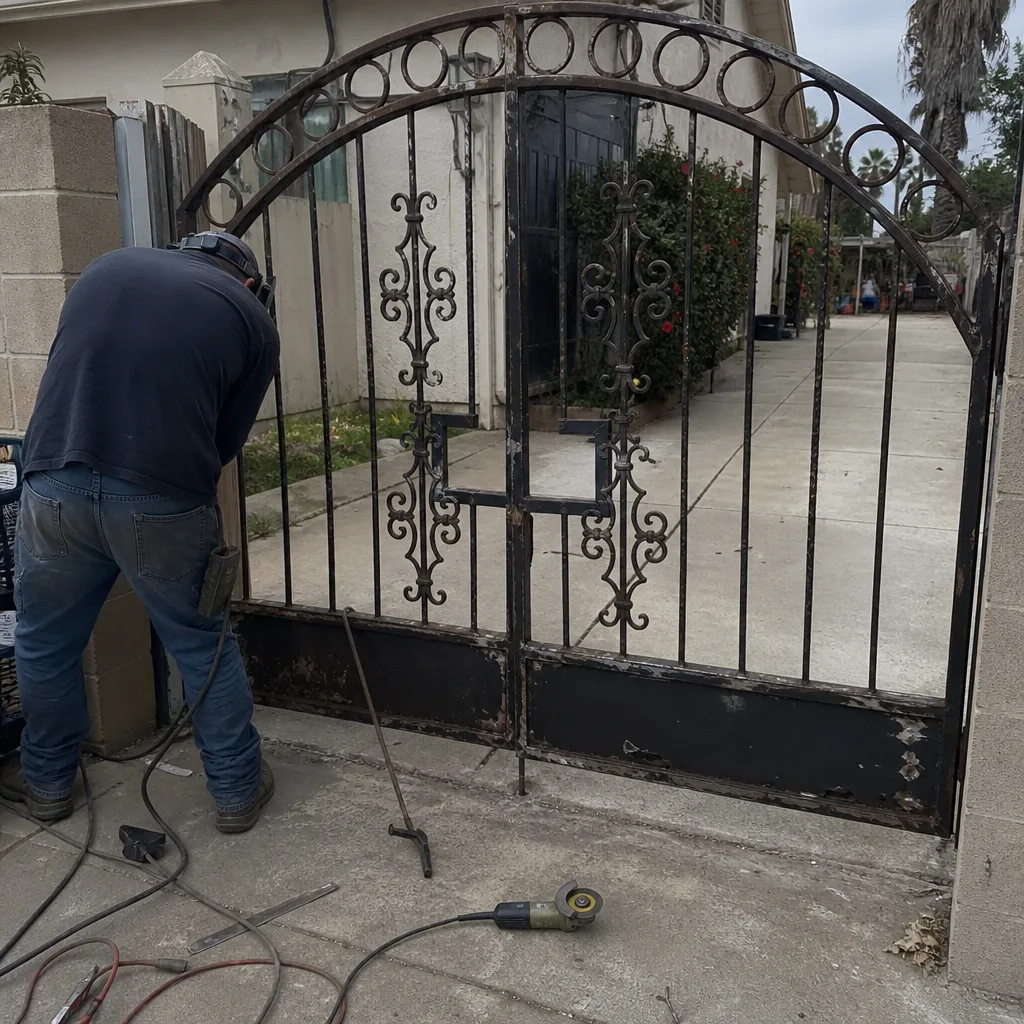 Before
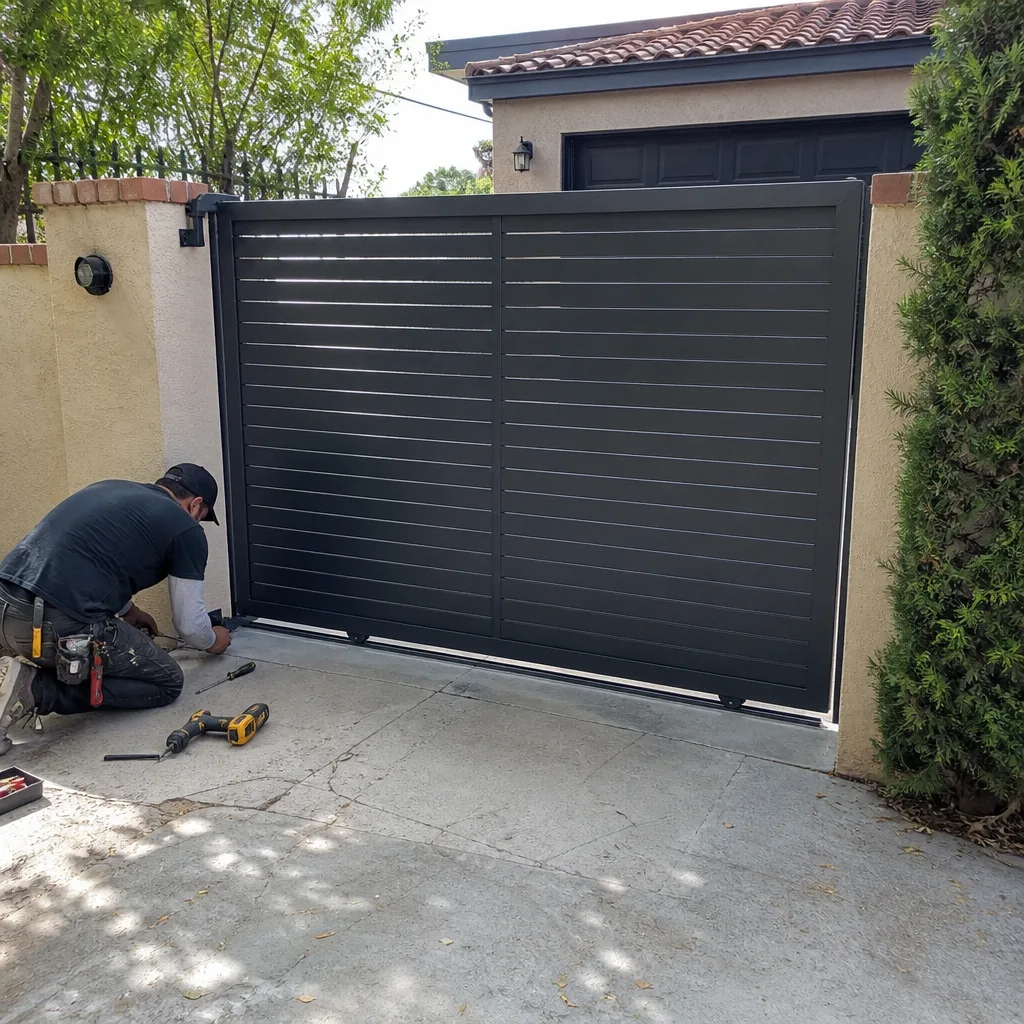 After
After