
Last updated October 16, 2026
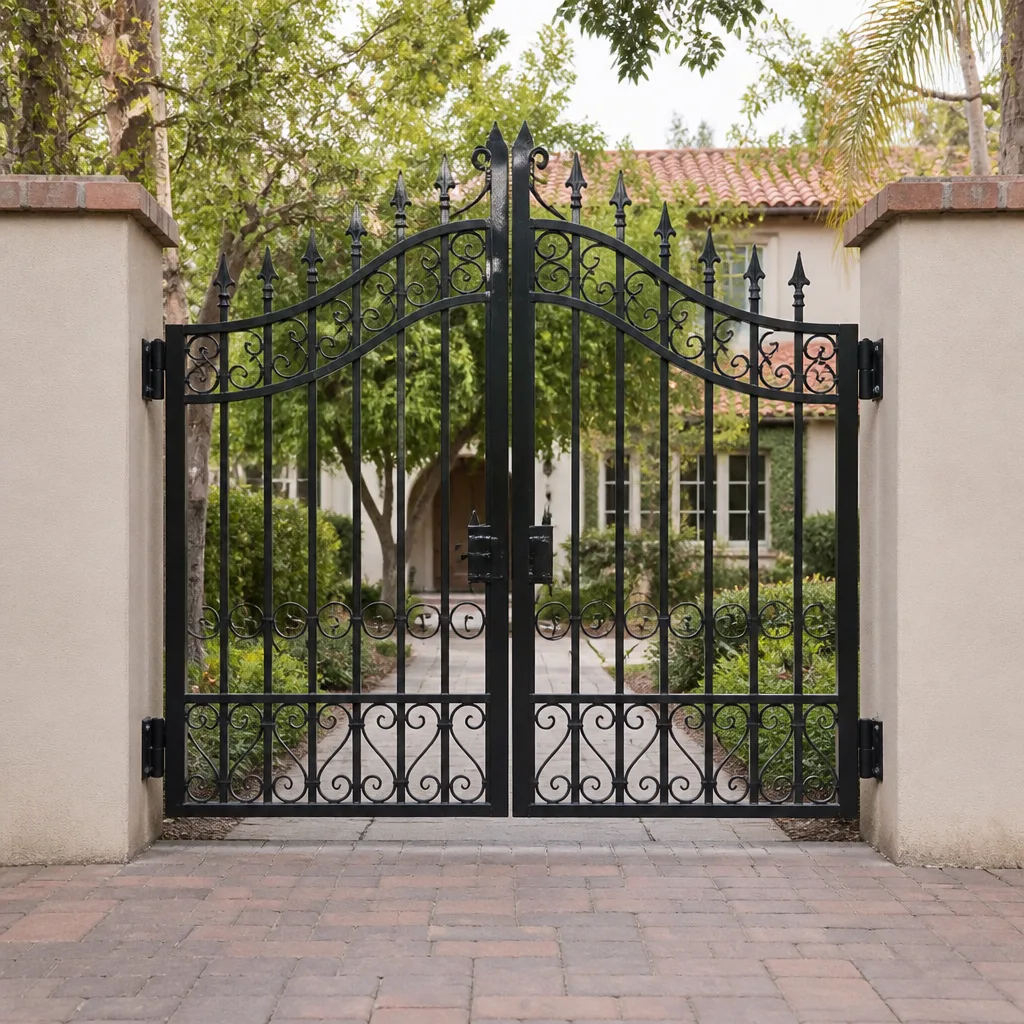 Wrought iron
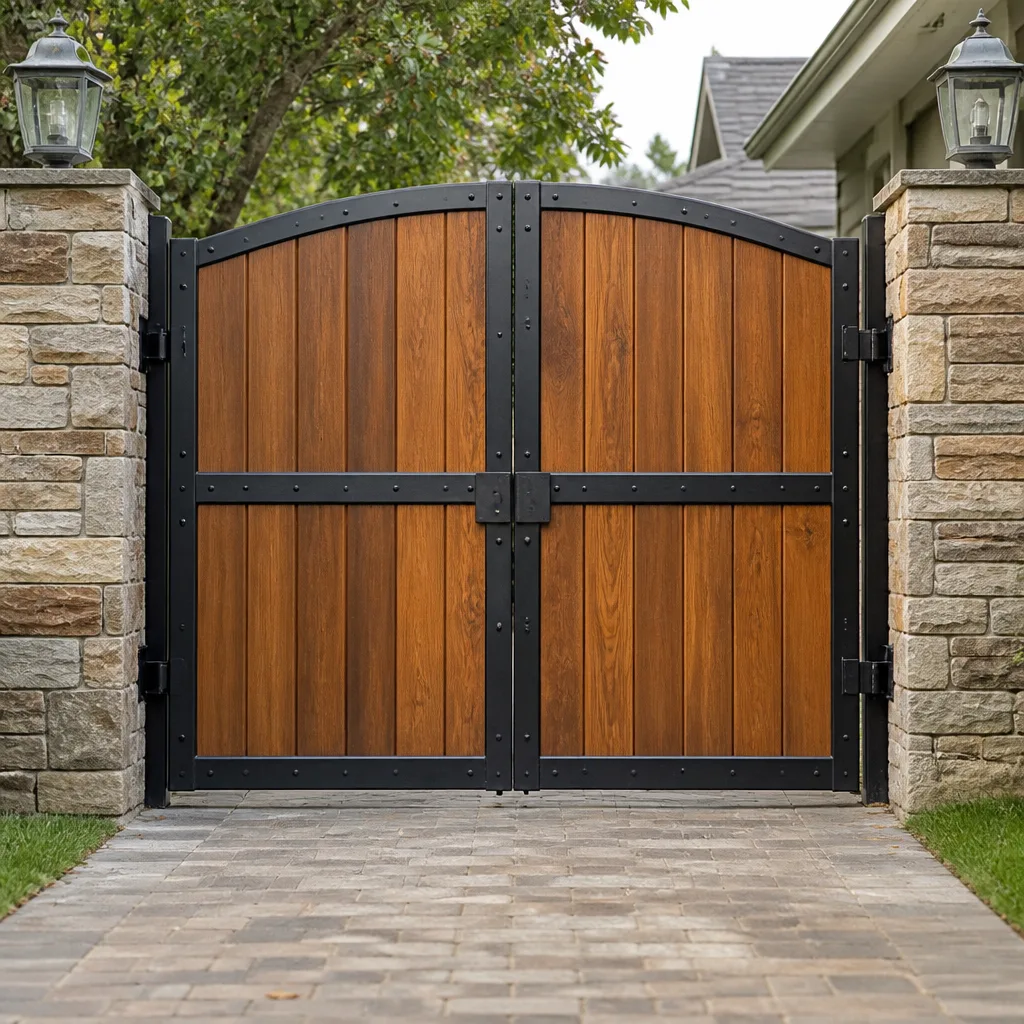 Wood & steel frame
 Farm & ranch
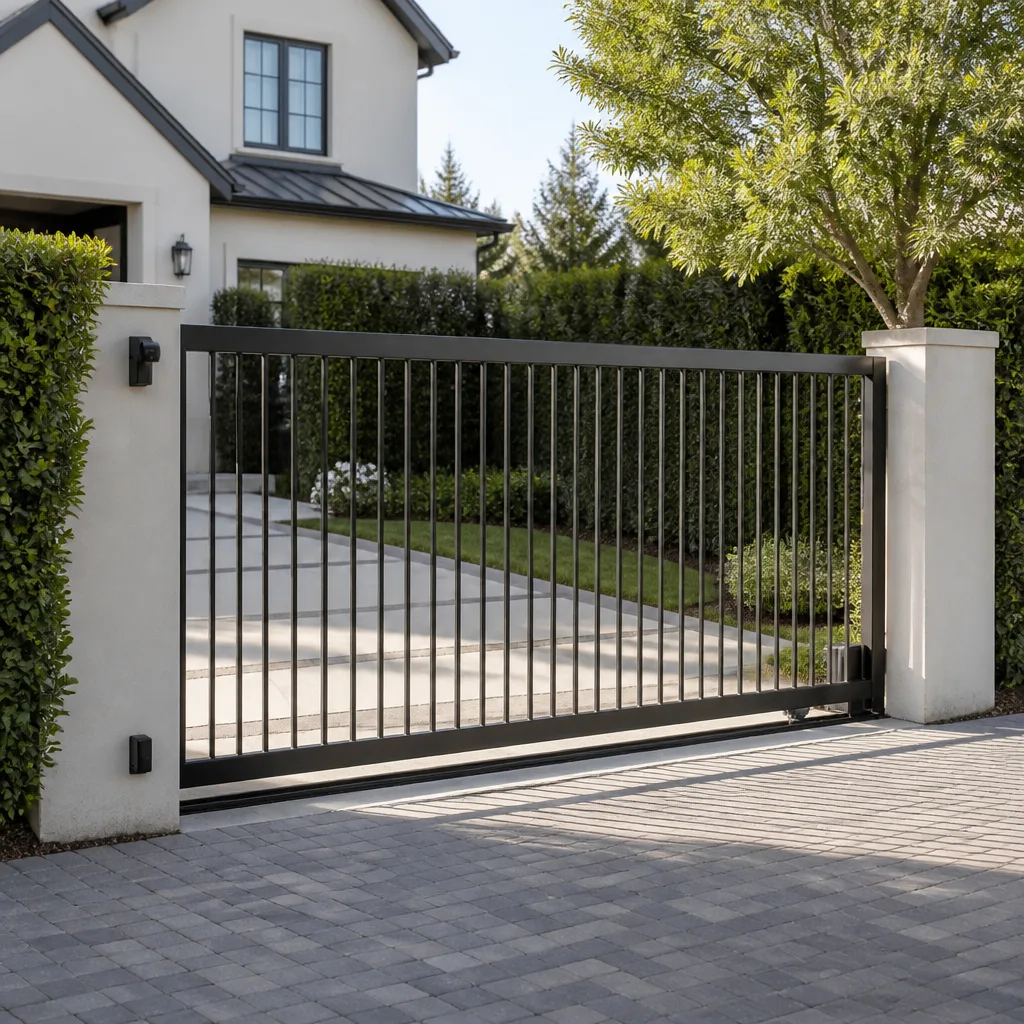 Sliding driveway gates
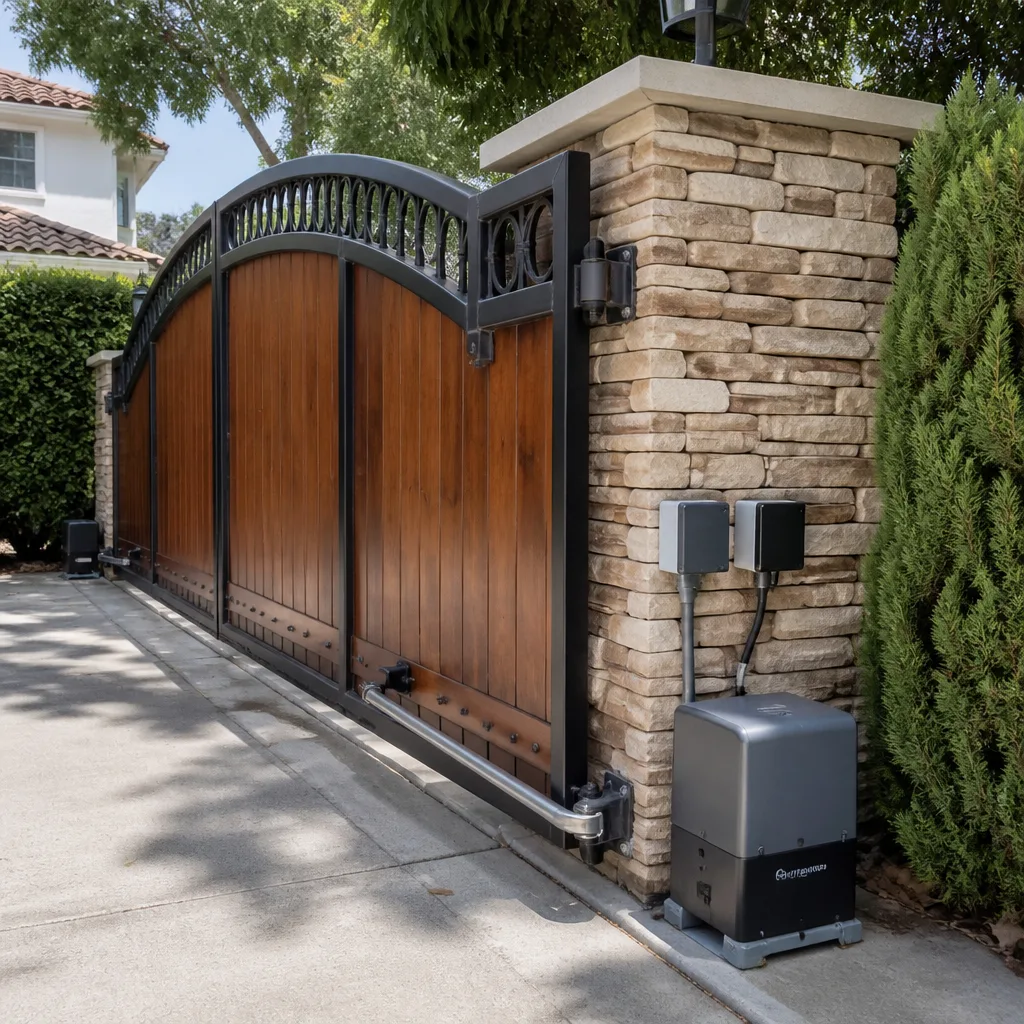 LiftMaster operators
Free on-site gate assessment - hinges, posts, and your LiftMaster or Nice gate operator checked before anything is quoted
The assessment is free and the quote is the invoice.
Get your free estimateGate Repair Permits, Codes & Inspections in CA: What You Need to Know
Replacing a failed gate opener circuit board is something we handle through our Gate Repair services several times a month in Los Angeles without pulling a permit. Replacing an entire opener on a gate that never had one is a different animal altogether, and in most LA County jurisdictions that job triggers a building permit. The line between those two scenarios is where homeowners lose money. Not because the work is complicated, but because nobody told them the rules changed the moment “repair” became “new installation.” If you’re replacing a broken hinge, swapping a control board, or fixing a wheel, you’re almost always in the clear. If you’re adding a motor to a gate that’s been manually operated since 1987, or moving a gate post, or building a gate where none existed, you’re in permit territory, and skipping it can cost $4,000 or more in corrections down the line. This guide draws that line exactly, with the California Building Code sections, city-by-city differences within Los Angeles, and the inspection realities nobody posts on Nextdoor.
Styles & brands we work with
Quick Answer
Gate repairs in California are generally permit-exempt under California Building Code Section 105.2 when they involve replacing existing parts or components without altering the gate’s structure or electrical footprint. Gate replacements, new gate installations, moving posts, or adding an automatic opener to a gate that never had one typically requires a building permit from your local jurisdiction, plus compliance with UL 325 safety standards. In Los Angeles County, the specific rules vary by city: what the City of LA permits over the counter, Santa Monica might require plan review for, and unincorporated county areas follow a third set of rules.
Key takeaways:
- Repair of existing components: no permit in most cases. Replacement or new installation: permit usually required.
- UL 325 entrapment protection is enforced at inspection regardless of whether a permit was pulled.
- HOA approval and building permits are separate processes. You often need both, and HOA approval comes first for most planned communities.
- Unpermitted gate work can surface during escrow and delay or kill a home sale.
- A licensed contractor who tells you “we never pull permits for this” is making a decision that costs you, not them.
Table of Contents
- Repair vs. Replacement: Where California Draws the Line
- California Building Code Section 105.2: The Permit Exemption That Covers Most Repairs
- LA County Jurisdiction Differences: City of LA, Santa Monica, Beverly Hills, and Unincorporated Areas
- UL 325 Entrapment Protection: What Inspectors Actually Test
- HOA Architectural Approval vs. Building Permit: Which Comes First and Why Both Matter
- Unpermitted Gate Work at Home Sale: Title, Escrow, and Real Consequences
- What Permit Corrections Actually Cost in Los Angeles
- Common Mistakes to Avoid
- When to Call a Professional
- Frequently Asked Questions
- The Bottom Line
Repair vs. Replacement: Where California Draws the Line
California’s permit framework hinges on a single question: are you restoring something that already exists, or are you creating something new? The California Building Code (CBC) treats these differently. A repair that replaces a worn component with a like-for-like part, without altering the structure, wiring, or fundamental operation of the gate, is classified as ordinary maintenance and exempt from permitting. A replacement that changes the gate’s design, adds a motor, repositions posts, or extends the electrical system is new work, and new work needs a permit.
Here’s how that plays out in the real world on a typical Los Angeles property:
- No permit needed: replacing a broken gate wheel, swapping a failed control board on an existing FAAC or LiftMaster opener, rewiring a photocell sensor, adjusting hinge alignment, replacing a bent gate latch, or tightening a loose post that hasn’t moved.
- Permit required: installing an automatic opener on a gate that has always been manual, replacing a gate with one of a different size or material, moving a gate post more than a few inches, adding a pedestrian gate where none existed, or running new electrical conduit for a gate opener circuit.
- Gray zone (call your local building department): replacing an entire gate opener unit with a different brand or model, especially if the new unit draws more current. Some jurisdictions in Los Angeles County treat this as a repair if the wiring and footprint stay identical; others want a permit because the equipment changed.
The practical test we’ve seen inspectors apply in Los Angeles is simple: if the gate was working before and you’re restoring it to working condition with equivalent parts, it’s a repair. If the gate’s function, location, or structural system changes, it’s new construction. When you’re not sure, check our Gate Repair Warning Signs: A Los Angeles Homeowner’s Reference Guide or call the building department-either takes ten minutes and saves real money later.
California Building Code Section 105.2: The Permit Exemption That Covers Most Repairs
The specific legal authority for most gate repairs comes from CBC Section 105.2, which lists work exempt from building permits. The two exemptions that matter for gates are:
- 105.2 (Item 2): “Fences not over 7 feet high” are exempt from permit requirements. Note the word “fences.” A purely decorative gate or fence assembly under that height, with no automation, often falls into this exemption.
- 105.2 (Item 1): One-story detached accessory structures under 120 square feet with no plumbing, mechanical, or electrical are generally exempt. This doesn’t apply to most gates, but it’s referenced frequently in HOA and contractor disputes.
What Section 105.2 does NOT exempt:
- Electrical work. Once you add a motor, a transformer, a control board, or conduit for a gate opener, you’ve crossed from fence territory into electrical work. The electrical permit for a gate opener typically falls under the local jurisdiction’s electrical code enforcement, and in every city in Los Angeles County that means a permit.
- Structural changes. Moving posts, extending a gate’s span, adding a cantilevered section, or changing a swing gate to a slide gate alters the structural load path. Exemptions don’t cover it.
In our experience in Los Angeles, most cities don’t come after you for swapping a Viking control board on a Saturday. They do get involved when the work changes the gate’s electrical system or structure, because that work touches property lines, safety devices, and the utility connection. The CBC’s logic is that repairs maintain the status quo. Anything beyond the status quo is construction, and construction gets reviewed.
LA County Jurisdiction Differences: City of LA, Santa Monica, Beverly Hills, and Unincorporated Areas
Los Angeles County is a patchwork of 88 cities plus unincorporated areas, and each one enforces the California Building Code with its own amendments, fees, and inspection quirks. If you live in one city and your contractor is quoting rules from another, you’re getting bad advice. Here’s what we see in the jurisdictions we work in most:
City of Los Angeles
The City of LA Department of Building and Safety (LADBS) handles permits through its online portal and district offices. For gate openers, LADBS generally requires an electrical permit when new wiring or a new circuit is installed. A like-for-like opener swap on an existing circuit typically doesn’t need one. LADBS also enforces the 7-foot fence height limit in most residential zones. If your gate is over 7 feet or part of a wall assembly exceeding height limits, you’re in plan review territory.
Santa Monica
Santa Monica has its own building division and a reputation for stricter enforcement on property line work. The city requires a permit for any new automatic gate installation, including retrofitting a manual gate with a Viking or BFT opener. Santa Monica also enforces specific setback requirements for gates that swing toward the public right-of-way. A gate that swings outward over a sidewalk triggers additional review, and in some cases the city will require the gate to swing inward instead.
Beverly Hills
Beverly Hills has some of the strictest code enforcement in Los Angeles County. The city’s residential design review applies to front-facing gates in many neighborhoods, and the planning department gets involved before building permits are issued for any gate visible from the street. If you live in Beverly Hills and want to replace a front gate, budget weeks, not days, for city review. The electrical and structural requirements mirror the CBC, but the design review layer is purely local.
Unincorporated Los Angeles County
Unincorporated areas like parts of Marina del Rey, Topanga, and Altadena fall under LA County Public Works Building and Safety. The county’s permit thresholds are similar to the City of LA, but the process runs through county offices rather than LADBS. County inspectors in our experience are methodical about UL 325 compliance on automatic gates, particularly photo eye placement and force settings. If you’re in an unincorporated area, check the county’s specific requirements before you start.
The lesson here isn’t that one city is “easier.” It’s that the rules genuinely differ. A gate repair in Santa Monica might need nothing from the city, while the identical work on a comparable home in Beverly Hills needs design review because it’s street-facing. Your contractor should know which jurisdiction you’re in before they quote the job.
UL 325 Entrapment Protection: What Inspectors Actually Test
UL 325 is the safety standard for automatic gate openers and it is non-negotiable in California. Every automatic gate installed or significantly modified in Los Angeles County must comply with UL 325 entrapment protection requirements, and inspectors test for compliance regardless of whether the permit was pulled before the work or the work was discovered after the fact.
Here’s what a failing inspection actually looks like:
- Photo eye test: The inspector places an object in the gate’s path and checks that the gate reverses. If the photo eyes are missing, misaligned, or bypassed, the inspection fails on the spot. Photo eyes are the small sensors on either side of the gate opening, usually about 6 inches off the ground.
- Contact reversal test: The inspector uses a test device to measure the force the gate exerts when it contacts an obstruction. If the gate doesn’t reverse within 2 seconds of contact, it fails. This is the most common failure point we see on older Linear and FAAC openers that were installed before current standards tightened.
- Control location check: The gate’s manual controls must be positioned so a user cannot reach them from the gate’s path of travel. If the keypad is mounted too close to the gate, the inspector flags it.
- Warning sign verification: UL 325 requires specific warning signs on automatic gates. Missing or faded signs are a correctable citation but still a strike.
The UL 325 standard is the reason a gate opener that “works fine” can still fail an inspection. We’ve seen gates that opened and closed without issue for years get red-tagged during a home sale because the force settings were never adjusted after a hinge replacement. In Los Angeles, where automatic gates are ubiquitous on hillside properties and estate lots, inspectors know exactly what to look for.
HOA Architectural Approval vs. Building Permit: Which Comes First and Why Both Matter
A building permit and HOA architectural approval are separate processes with separate enforcement mechanisms. The city cares about structural safety, electrical code, and UL 325 compliance. Your HOA cares about design standards, materials, color, and neighborhood aesthetics. Both have the power to stop your project and cost you money if you skip their process.
The correct order in a planned community in Los Angeles is:
- HOA architectural approval first. Most Los Angeles HOAs require a design review application before any exterior work begins, including gate replacement or the addition of an automatic opener. The review board typically meets monthly, so this step alone can take 30 to 60 days.
- Building permit second. Once the HOA approves the design and materials, submit for the city or county permit with the HOA approval letter attached. Some Los Angeles jurisdictions want to see HOA sign-off before they’ll issue a permit for front-facing gates.
- Contractor scheduling third. Only after both approvals are in hand should the work be scheduled. Doing the work first and asking for forgiveness later is how homeowners end up paying for a gate twice, because the HOA can and does require removal of non-conforming gates even if the city already signed off.
We’ve had calls from Los Angeles homeowners who replaced a front gate with something they loved, never told the HOA, and got a violation letter six months later demanding the gate be modified or removed. The HOA’s enforcement authority comes from your recorded covenants, conditions, and restrictions, not from the building code. You can have a perfectly code-compliant gate that violates HOA design standards, and the HOA’s remedy is to make you change it. Skip the HOA step and you’re gambling with your own money.
Unpermitted Gate Work at Home Sale: Title, Escrow, and Real Consequences
Unpermitted work surfaces during home sales in Los Angeles with surprising frequency. The mechanism is usually the seller’s disclosure statement: California law requires sellers to disclose unpermitted improvements or additions. A gate opener added without a permit is a small item in the grand scheme of a home sale, but it creates a paper trail problem. If the buyer’s inspector flags the gate as non-compliant with UL 325, or if the escrow company identifies a permit discrepancy during the title review, the deal can stall over something that would have cost a few hundred dollars to fix properly years earlier.
What actually happens in escrow when unpermitted gate work is discovered:
- Disclosure amendment: The seller amends their disclosure to include the unpermitted work. This can trigger a buyer’s request for a price reduction or a repair credit.
- Title report flag: In some Los Angeles County transactions, unpermitted electrical work is listed as an exception on the title report. Lenders may require the permit to be retroactively obtained before funding.
- Corrective permitting: The seller or buyer applies for a permit after the fact. The city or county may require the work to be brought into current code compliance, which can mean adding photo eyes, replacing a non-compliant opener, or even moving the gate if it encroaches on a setback.
- Cost allocation: Negotiations determine who pays. In a seller’s market, buyers sometimes absorb it. In a buyer’s market, the seller eats the full correction cost.
The $4,000 figure we mentioned earlier isn’t hypothetical. A retroactive permit in Los Angeles for gate work that doesn’t meet current code can easily run $1,500 to $4,000 by the time you pay the permit fees, the plan review, the corrective electrical work, the UL 325 compliance upgrades, and the inspection. A proactive permit months earlier would have cost a fraction of that. The title and escrow consequences are real because California’s disclosure laws are strict, and “I didn’t know I needed a permit” is not a defense that protects the seller.
What Permit Corrections Actually Cost in Los Angeles
Let’s put numbers on this so the decision is concrete. These are the ranges we see in Los Angeles County for gate-related permit work and corrections:
| Permit or Correction Item | Typical Cost Range in Los Angeles County |
|---|---|
| Electrical permit for new gate opener circuit (pulled before work) | $150 – $400 |
| Retroactive permit fee (penalty applied for work done without permit) | 2x – 3x the standard permit fee |
| Bringing a non-compliant opener into UL 325 compliance (adding photo eyes, adjusting force settings, new warning signs) | $300 – $900 |
| Full corrective work if the gate was moved or the post relocated without approval | $1,500 – $4,000+ |
| HOA design review application (varies widely by association) | $50 – $500 |
Most gate opener repairs in the Los Angeles market run $180 to $340 before parts, and almost none of them require a permit because they’re repairs, not changes. The cost difference between doing a gate installation properly with permits and doing it without them isn’t the permit fee; it’s the correction cost when a city inspector, HOA board, or buyer’s inspector finds the work later. A written quote from a licensed contractor will classify the work as repair or new installation before anything starts, and that classification tells you whether a permit is in play; see How to Hire a Gate Repair Contractor in Los Angeles: A Step-by-Step Guide for what to look for.
Common Mistakes to Avoid
- Assuming all gate work is exempt. “It’s just a gate” is the most expensive sentence we hear. Adding a motor, moving a post, or building a new gate changes the equation. Verify before you build.
- Skipping the HOA because the city doesn’t care. The city and the HOA are separate governments with separate rules. In Los Angeles, front-facing gates in planned communities routinely need both sign-offs.
- Letting a contractor decide for you. A contractor who says “we never pull permits” is protecting their schedule, not your liability. You’re the owner of record; the permit is in your name even if the contractor files it.
- Ignoring UL 325 requirements on a “minor” opener swap. If your old Linear opener had no photo eyes and the new one does, the photo eyes have to be installed and working. UL 325 compliance is tested at inspection and enforced at resale.
- Doing electrical work yourself to save money. Connecting a gate opener to your panel is electrical work. In Los Angeles, a homeowner who does unpermitted electrical work on a gate and later sells the home has created a disclosure obligation and a potential title issue.
- Waiting until escrow to deal with it. By the time a buyer’s inspector or title company flags the gate, you’ve lost negotiating leverage. Correcting it before listing is always cheaper.
- Trusting a verbal “it’s fine” from a building department clerk. Get it in writing or find the code section. A phone clerk’s opinion doesn’t bind the inspector who shows up later.
When to Call a Professional
Call a professional when the work involves electricity, structural changes, or a gate that protects a child, a pet, or a street-facing entrance. A BFT or Viking opener that needs a new control board is a repair you can schedule without a permit. A gate that never had an opener but now needs one is a project, not a repair, and it involves electrical rough-in, UL 325 safety device installation, and likely a permit. A gate post that’s leaning means the footing is failing; tightening the hinge won’t fix what’s happening underground. If you’re in Los Angeles and not sure which category your project falls into, get a written classification from a licensed gate contractor before you spend money. Calder Gate Repair Los Angeles offers free estimates in Los Angeles, call (213) 322-1415, and we’ll tell you in plain words whether your job is a repair or a permit-triggering installation, with the price in writing before any work starts.
Frequently Asked Questions
If you’re replacing an existing opener with a like-for-like unit and the electrical circuit remains unchanged, you typically don’t need a permit. If the new opener requires new wiring, a new circuit, or is being installed on a gate that never had an opener, a permit is generally required. Call (213) 322-1415 for a free assessment of your specific case.
Unpermitted gate work can be flagged during a home sale, an insurance claim, or a neighbor complaint. The city or county can require a retroactive permit, code compliance upgrades, or removal of non-conforming work. Correction costs in Los Angeles commonly run $1,500 to $4,000 depending on what was done.
Yes. UL 325 is the federal safety standard for automatic gate openers and applies to every automatic gate in Los Angeles County. Inspectors test photo eyes, contact reversal, and control location, and gates that fail can be red-tagged until corrected.
Most Los Angeles HOAs have monthly architectural review meetings, so plan for 30 to 60 days from application to approval. Large planned communities can take longer. HOA approval should come before you apply for the city permit.
A repair restores the gate to its original function using equivalent parts. A replacement changes the gate’s size, material, structure, or automation system. Repairs are typically permit-exempt; replacements that change the gate’s structure or electrical footprint generally require a permit.
Yes, most Los Angeles County jurisdictions process retroactive permits, but they come with penalty fees, typically 2x to 3x the standard permit fee, and the work must be brought into current code compliance. If the work doesn’t meet UL 325 or current CBC requirements, you’ll need to correct it before the permit is finalized. Call (213) 322-1415 for guidance on your situation.
Looking for a specialist who does this work every day? See our Calder Gate Repair Los Angeles home page, or read more about our Gate Repair in Los Angeles, Electric Gate Repair in Los Angeles, and Gate Opener Repair in Los Angeles services. We work with major brands including FAAC, BFT, Linear, and Viking every week, and we’ll tell you plainly whether your project is a repair or a permit-triggering installation.
The Bottom Line
California treats gate repairs and gate installations as fundamentally different animals. Repairing what exists is permit-exempt in most Los Angeles County jurisdictions. Replacing, relocating, or automating a gate that wasn’t automated before is new work, and new work needs a permit, UL 325 compliance, and often HOA sign-off. The cost of guessing wrong lands in the thousands, and it usually surfaces at the worst moment: during escrow, when the buyer’s inspector or the title company finds it. Knowing the line before you start keeps the invoice predictable, the gate safe, and the home’s title clean. For additional help, browse more guides & resources on our blog.
Written by Nico Alvarez, Owner at Calder Gate Repair Los Angeles, serving Los Angeles since 2009.
See the difference
 Before
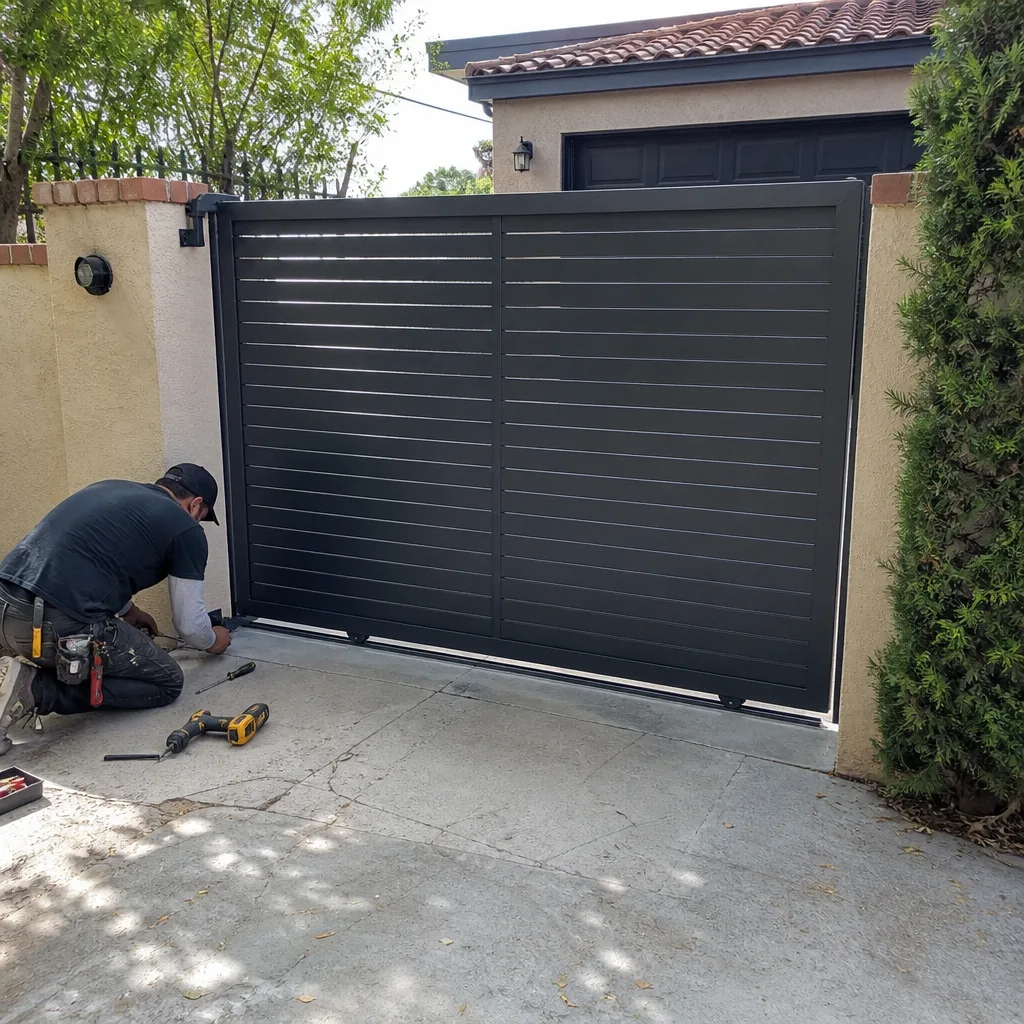
 After
After Before
 After
After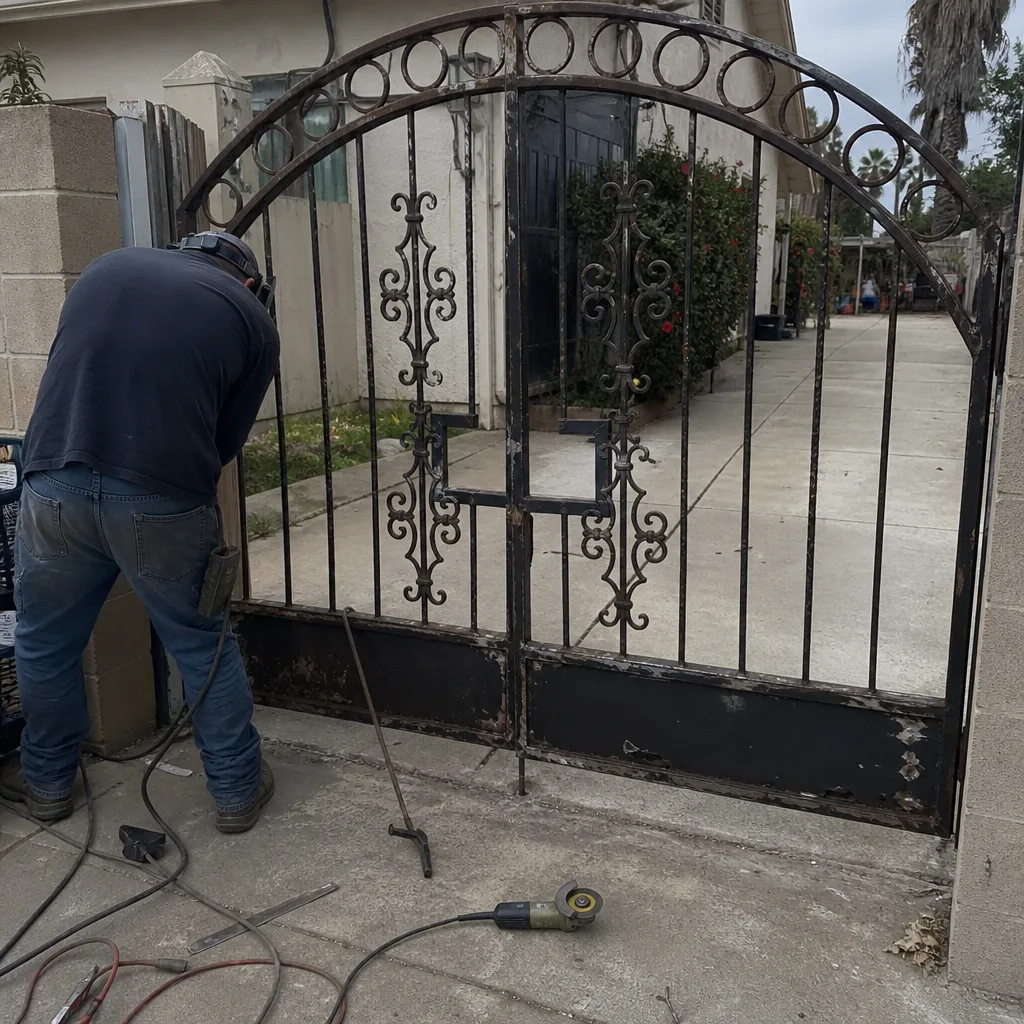 Before
 After
After